
Hearing Aids for Musicians: Specialized Features
For musicians, hearing isn’t just about getting by in conversations

By: admin | December 21, 2025
For musicians, hearing isn’t just about getting by in conversations or catching sounds throughout the day. It’s the foundation of everything you do.
You need to hear pitch accurately, pick up on subtle differences in tone and timbre, and process the full range of frequencies that make music what it is.
Standard hearing aids are designed with speech in mind, which means they often compress or filter out the very sounds that matter most when you’re playing or listening to music. If you’re a musician dealing with hearing loss, you might find that regular hearing aids make music sound flat, distorted or just wrong.
Notes blur together, harmonies feel off and the detail you’re used to hearing disappears. That’s not just frustrating. It can affect your ability to perform, practice with others and stay connected to the music you’ve spent years perfecting.
Hearing aids built specifically for musicians work differently. The right device helps you stay in tune with your music and your fellow musicians without sacrificing the quality or accuracy you depend on.
Music programs in hearing aids are designed specifically to handle the unique qualities of musical sound. These programs adjust how the hearing aid processes sound, focusing on a broader range of pitches and softer tones that are often found in music.
Music programs adjust how loud sounds are handled and reduce automatic noise filtering, helping instruments and voices retain a more natural sound.
This technology allows you to enjoy music without missing important details or feeling that certain notes are too sharp or dull. Many modern hearing aids now include these special settings, giving musicians more control over their listening experience.
Musicians often need to hear a wider range of sounds than most people. Picking up on soft notes, subtle harmonies and quick changes in pitch is a regular part of practice and performance.
Standard hearing aids are usually set up for speech, which does not always match the complex needs of music.
You may notice that certain instruments sound different or that some parts of a song are harder to hear clearly. Hearing solutions designed for musicians pay special attention to the details and variety found in music, helping you stay connected to every aspect of your performance.
Music is made up of many pitches, rhythms and layers that can occur simultaneously. Instruments and voices can overlap in complex ways, creating harmonies, background textures and subtle nuances that give music its richness.
Everyday speech, on the other hand, usually follows a narrower range of tones and focuses on conveying words and sentences clearly, with less variation in pitch and fewer overlapping sounds.
Understanding these differences helps explain why music may sound unusual or less clear through standard hearing aids. Music often changes in volume, pace and intensity more rapidly than normal conversation.
Quick shifts in loudness, sustained high or low notes, and layered melodies can challenge traditional hearing aid settings, making certain instruments or vocals harder to distinguish.
Recognizing these unique characteristics allows for adjustments that can make music listening more enjoyable and natural.
Musicians often find that standard hearing aid settings are designed primarily for speech, not music.
These programs may automatically reduce background noise and adjust loud sounds in ways that make conversation clearer, but those same features can alter the natural balance of musical notes.
Complex harmonies, subtle instrument tones and the dynamic range of a performance may be compressed or distorted, making music sound flat, tinny or unnatural.
Fast changes in volume, overlapping instruments and rich low-frequency sounds can be difficult for standard programs to handle. Even small adjustments in rhythm or pitch may be lost, and the emotional impact of a piece can feel diminished.
For musicians, these challenges make it harder to fully enjoy, perform or practice music, highlighting the need for programs specifically tuned to capture the full depth and nuance of musical experiences.
Sound fidelity is important for musical performance because it allows you to hear music as it was meant to be heard. High sound fidelity means you can notice the true tone, balance and timing of each instrument or voice.
When looking for good sound fidelity in hearing aids for music, focus on features like clear reproduction of both soft and loud sounds, minimal distortion even at high volumes, accurate pitch handling across all notes, natural blending of instruments and reduced feedback. These qualities help you stay in tune with your group and respond to subtle changes in the music.
Frequency range plays a key role in how music sounds and feels. Music uses both very low and very high pitches, much more than normal speech.
A wider frequency range in hearing aids helps ensure all notes are heard clearly. This brings better balance between bass, mid and treble sounds, and allows for clearer separation of different instruments.
These features let you hear both soft background notes and strong lead parts, making each piece of music sound complete and natural.
Music often shifts quickly from quiet passages to powerful sections, which can make it hard to hear every detail with regular hearing aids. Dynamic range features help by adjusting how both loud and soft sounds are managed.
These features work to keep softer notes from being lost while making sure louder moments do not become uncomfortable or distorted. This balance allows you to experience music with more clarity and comfort.
Feedback is a common issue for musicians using hearing aids during live performances, often causing whistling or squealing sounds that interrupt music.
Many hearing aids now include advanced feedback cancellation systems that quickly detect and block high-pitched sounds before they become noticeable. Some devices also use special microphones and ear moulds that fit more securely, which can lower the risk of feedback in loud environments.
These solutions help you enjoy clearer sound on stage or in rehearsal without unwanted noise.
Musical environments can change quickly, from quiet practice rooms to loud concert stages. Customizable programs in hearing aids allow you to adjust settings based on where you are and what kind of music you are listening to.
This flexibility helps keep music sounding clear and natural in any setting.
Having special settings for various musical situations means your hearing aids can better match your needs, whether you are playing solo at home or performing with a full band on stage.
This approach helps you hear important details and enjoy music as it was meant to be heard in each unique environment.
Directional microphones are especially helpful for musicians who perform on stage or record in the studio.
These microphones focus on sounds coming from a specific direction, usually in front of you, while reducing background noise from other areas. This helps you hear your own instrument or voice more clearly, even when many other sounds are present.
In busy environments like concerts or recording sessions, directional microphones keep important musical details clear and easy to follow. They also help reduce unwanted noise and feedback, supporting better sound quality and allowing you to focus on the music itself.
Noise reduction in hearing aids is often made for background sounds during conversations, but music requires a different approach. For musicians and music lovers, unwanted noise can make it difficult to enjoy the full range of instruments and vocals.
Special noise reduction features for musical applications target steady or distracting noises without removing important musical details. This helps preserve the full sound of the music while minimizing interference so you can hear each note and rhythm clearly.
Wireless connectivity in hearing aids allows you to connect directly to music devices, smartphones or recording equipment. This makes it easier to hear your own playing or singing clearly during practice and recording sessions.
You can stream music or backing tracks straight to your hearing aids without extra wires or bulky headphones, helping keep the sound balanced and reducing outside noise.
Many wireless systems also let you adjust settings from your phone, making it simple to switch between practice, live performance or recording modes.
These features give you more control over your sound and help make each session more comfortable and productive.
Comfort and fit matter when wearing hearing aids during long playing sessions. Poorly fitting devices can cause discomfort, irritation or even pain after hours of use.
A proper fit helps prevent these issues and supports better focus on your music. Well-fitted devices also reduce the risk of feedback and keep the hearing aid secure, even with frequent movement.
With good comfort and fit, you can play for longer periods without distraction or the need to adjust your device often.
Adjusting hearing aids for instruments or vocals can greatly improve how music sounds to you. Each instrument and voice has its own unique pitch, volume and tone, which may need special attention.
If you play an instrument like guitar or piano, settings can be changed to highlight those particular frequencies and reduce distortion. Singers may benefit from adjustments that focus on the clarity of their own voice while still allowing them to hear other musicians.
These changes help create a more balanced sound so that both instruments and vocals are heard clearly.
Keeping your hearing aids in top condition is important for musicians who rely on clear, accurate sound. Regular maintenance helps your devices work their best and last longer.
Simple steps can make a big difference in performance and comfort:
Musicians rely on hearing in a way that goes far beyond everyday conversation. Every note, every subtle change in tone and every harmonic layer matters when you’re performing or listening.
Standard hearing aids can make music feel compressed or unnatural, but devices designed with music in mind allow you to catch the details that give your work its clarity and precision. This means you can enjoy the depth of your favorite pieces, stay in rhythm with other musicians and hear nuances that bring your music to life.
Finding the right support for your hearing can make a noticeable difference in how you experience music.
If you’re ready to explore options tailored for musicians, North Star Hearing in Grande Prairie, Alberta, can help. Call (780) 533-3444 to learn more about devices designed to preserve the detail, pitch and quality that your music depends on.
Tags: benefits of hearing aids, hearing aid features, hearing aid technology
For musicians, hearing isn’t just about getting by in conversations
By: admin | December 21, 2025
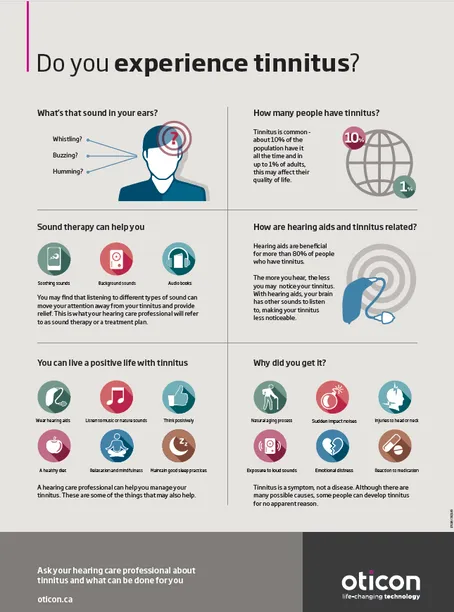
Do you ever experience a persistent ringing or buzzing in your ears that
By: admin | September 3, 2025

In today’s fast-paced world, technology has revolutionized how we
By: admin | September 3, 2025
